Pull up any candida diet list and count what it does. It tells you what to cut. Sugar, gone. Bread, gone. Fruit, wine, cheese, mushrooms, vinegar, all crossed out in red. By the time you finish reading you are staring at a plate that looks empty, and you have not eaten yet.
That is the reason most people quit by week two. Not because the plan is hard, but because nobody handed them the other list. So here it is, the one that actually keeps you on the plan: what you can eat, and eat well.
A candida diet food list is simpler than the fear makes it sound. You build every plate on non-starchy vegetables, clean protein, and healthy fat, you keep added sugar and refined flour off it, and you widen the circle back out in phases as your gut steadies. That is the whole thing. Everything below is just detail.
Start with what you can eat, not what you cannot
Here is the reframe that changes everything. A candida diet is not a list of forbidden foods with a few sad exceptions. It is a full, satisfying way of eating with a short list of things you set down for a while.
I learned this the hard way, as a biohacking foodie who refuses to eat food that does not taste incredible. The version of this diet that fails is the one built around loss. The version that works is built around a plate you actually look forward to. So we start with the yes list, and we make it the loudest thing in the room.
The three anchors every plate is built on
No matter the phase, no matter the day, three things carry the plate. Get these on it and you have eaten well, candida or not.
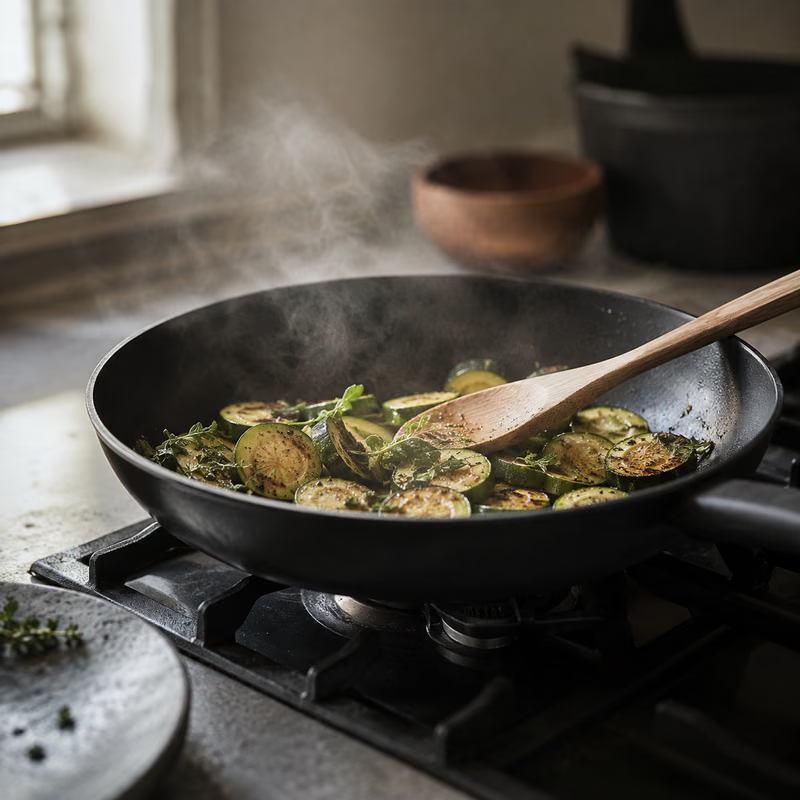
Non-starchy vegetables. This is the base, and you can be generous here. Leafy greens, broccoli, cauliflower, cabbage, zucchini, asparagus, celery, cucumber, bell peppers, onions, garlic. Garlic earns a special mention because it is a food traditions have leaned on for gut support for a very long time. Fill half the plate here and you have crowded out the foods you are trying to avoid without thinking about them once.
Clean protein. Eggs, fish, poultry, and quality meat. Protein is the anchor that keeps you full enough that you are not two hours later, standing in the pantry, negotiating with a box of crackers. Undereating protein is the quiet reason a lot of people cannot stay on any diet, this one included.
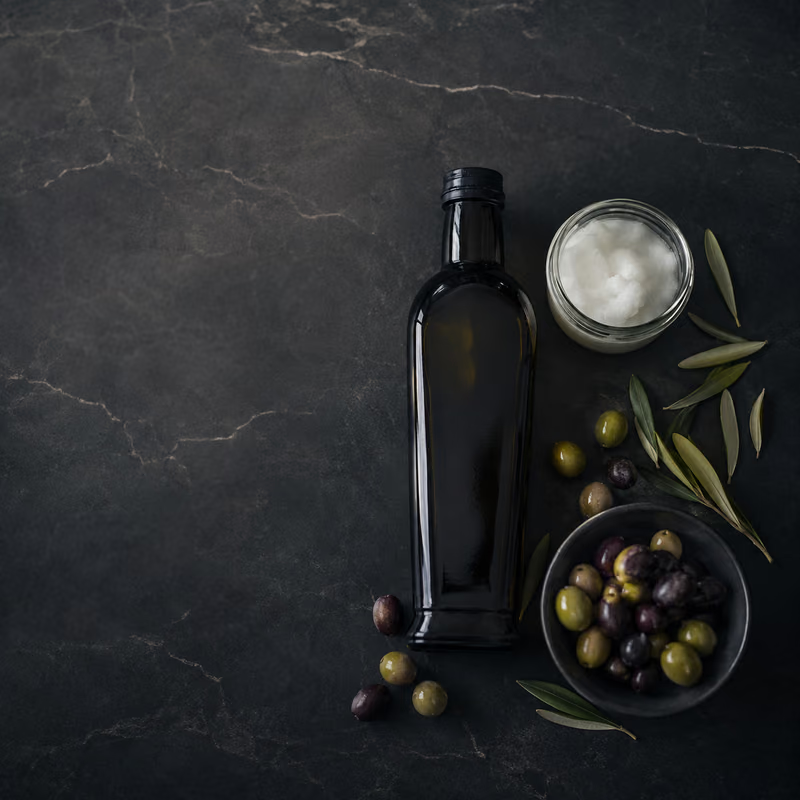
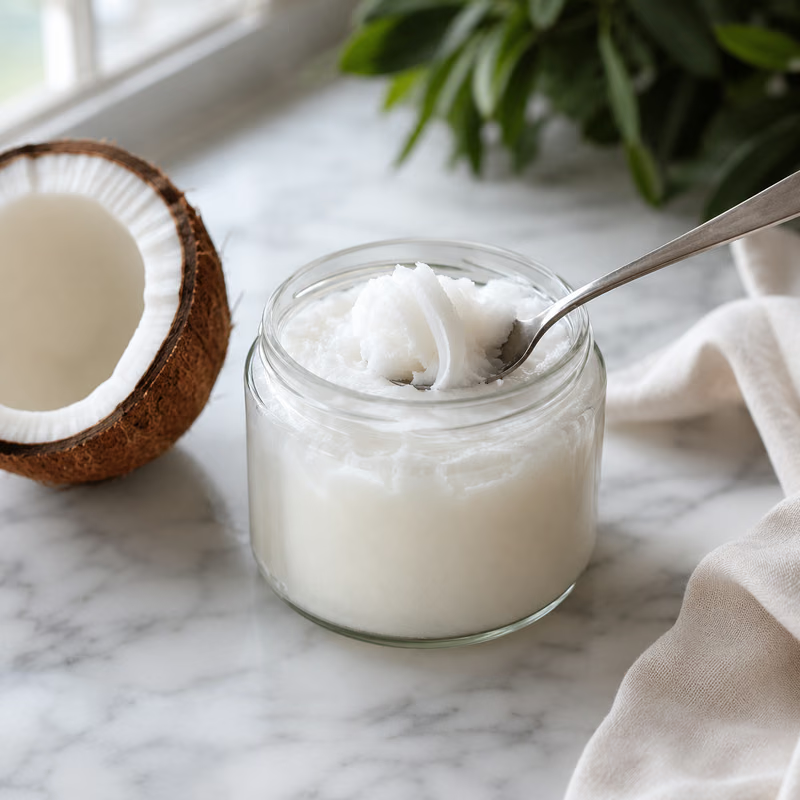
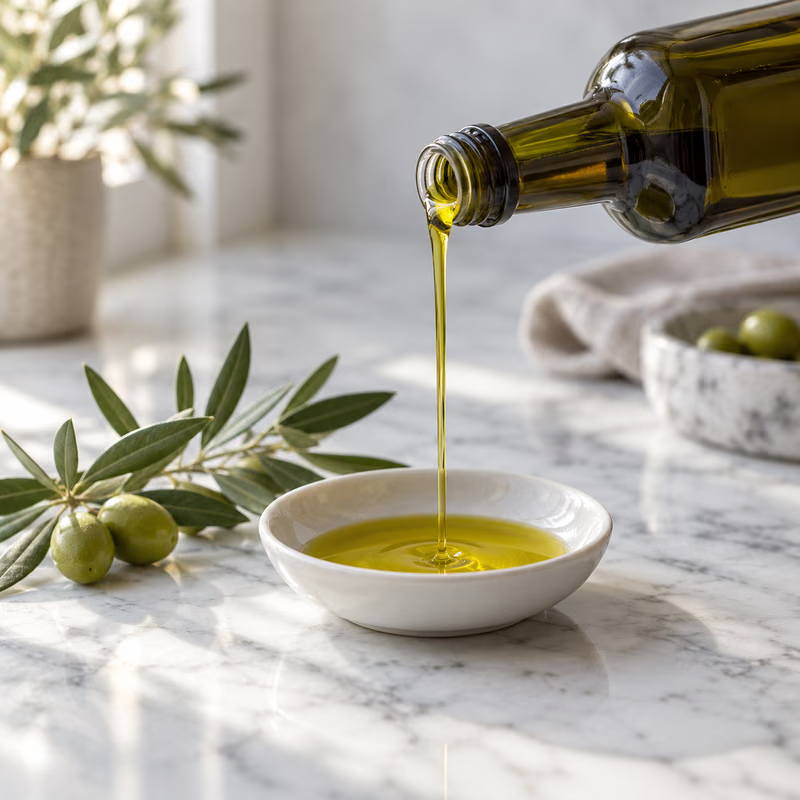
Healthy fat. Olive oil, avocado, coconut oil, and the fat that comes with clean protein. Fat is what makes the vegetables taste like something and what carries you between meals without a crash. It is not the enemy here. It is the reason the plate satisfies.
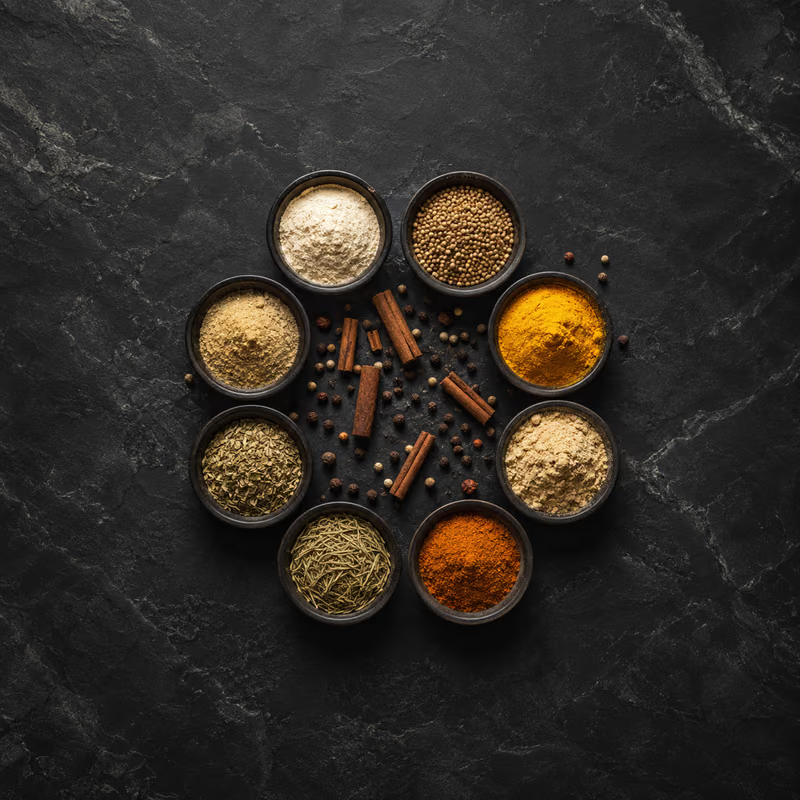
Around those three anchors you add the extras: nuts and seeds, unsweetened fermented foods like plain yogurt, kefir, sauerkraut, and kimchi, plus herbs, spices, lemon, lime, and unsweetened herbal tea. The fermented foods do double duty, which we will get to.
The maybe pile, and why phases matter
Now the honest part about the middle of the list. Some foods are not a flat yes or a flat no. They are a not yet, and they come back as your gut steadies.
This is what people miss about the candida diet. It is not one permanent narrow list, it works in phases. You start narrower to starve the overgrowth, then you widen back out on purpose so you end up eating a diverse, resilient diet rather than a restricted one forever.
The maybe pile usually includes low-sugar fruit like berries and green apple, gluten-free whole grains and starches like quinoa, buckwheat, millet, oats, and sweet potato, legumes, and most fruit beyond the lowest-sugar few. Early on, many plans keep these light. As symptoms settle, they come back in. The direction of a good candida diet is always toward more variety, not less, because a crowded, diverse gut is the thing that keeps yeast in check on its own.
If you want the deeper why behind the phases, I walked through the starve-then-rebuild logic in how to starve candida and rebuild your gut. This post is the grocery list, that one is the reason it works.
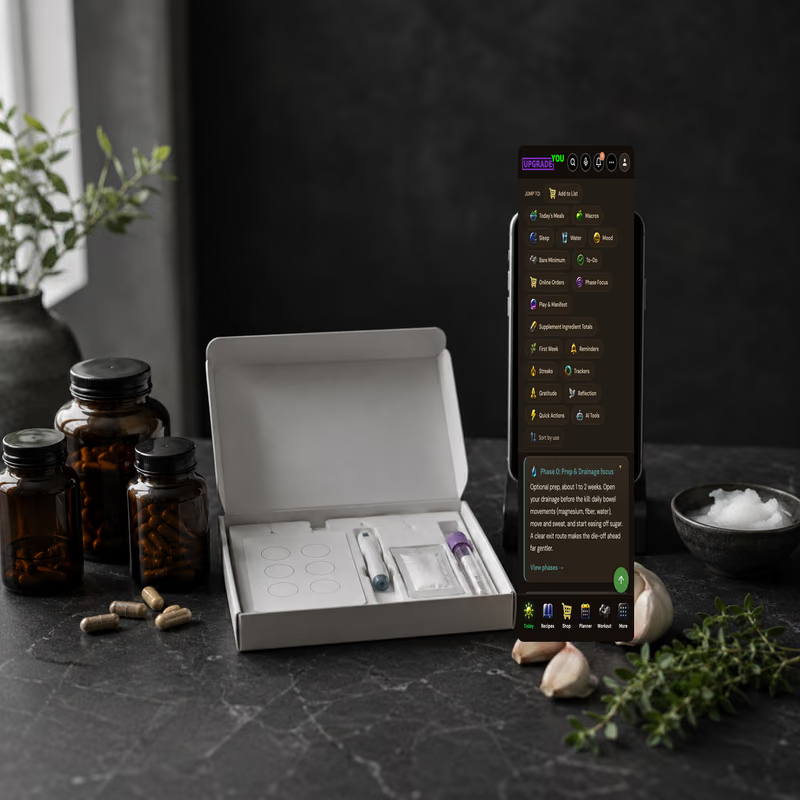
Food is the main lever, and the supplements I run alongside it follow the same phases: Phase 0, Prep and Drainage to open the exits before anything else, Phase 1, Starve and Kill while the list is at its narrowest, Phase 2, Rebuild the Gut as the lining heals, and Phase 3, Reintroduce and Hold for exactly the widening this post is about.
What to pull first, and the honest reason
Now the short list. The foods that come off the plate first are the ones that most directly feed yeast: added sugar, sweetened drinks, fruit juice, and refined flour like white bread and pastries. Most plans also pull back on alcohol and dried fruit while the gut rebuilds, since alcohol is sugar and a gut irritant in one.
Here is where I have to be straight with you, because the internet almost never is. Sugar and refined carbohydrate are the clearest fuel for yeast, and that is a real reason to cut them. But the human evidence is more modest than the headlines. A controlled study in The American Journal of Clinical Nutrition found only a limited effect of adding refined carbohydrate on candida colonization in otherwise healthy people, even though animal studies show a clearer link.
So why cut sugar at all? Because what is well supported is that food reshapes the whole gut, fast. A landmark Nature study found that diet rapidly and reproducibly alters the human gut microbiome within a single day of changing what you eat. And a Stanford trial in Cell found that a diet high in fermented foods raised microbiome diversity and lowered inflammatory markers. A review in Infection and Immunity describes the gut keeping yeast in check as a balancing act between the host and the microbiome. Cutting sugar and adding fermented foods is not a magic switch on the yeast. It is a healthier-gut strategy, and the healthier gut is what holds the yeast down.
That distinction matters, because it takes the fear out. You are not fighting a monster. You are feeding a garden.
The list only you can finish
Every candida food list you find, including this one, is built for the average gut. Yours is not the average gut. You can eat clean off the yes list and still stay inflamed, because a food the list calls perfectly fine, eggs, almonds, dairy, a certain grain, is one your own immune system quietly reacts to. Those hidden food sensitivities keep the gut irritated and keep the door open for yeast, and no generic list will ever find them.
That is the one part of this you cannot guess your way through. A food sensitivity test like the KBMO FIT 176, one of the functional lab tests here, maps how your body responds to 176 foods, so you can pull the ones that are quietly inflaming you and stop wrestling with the ones that are fine. Always test, do not guess. That is the difference between following a list and following your own body.
Your first grocery run, from free to done for you
None of this has to be perfect this week. But here is how to start, from the thing you can do tonight up to the thing that does the planning for you.
- Tonight, clear the two easy targets. Pull sweetened drinks and added sugar out of the house. This is the single highest-leverage move and it costs nothing.
- This week, shop the three anchors. Load the cart with non-starchy vegetables, clean protein, and healthy fat, plus one fermented food to rotate in daily. That is a full week of plates right there.
- Plan the meal habit owns hardest. Breakfast is where cereal, toast, and juice used to live, so it is where most people slip first. If that is you, build the morning around protein and fat instead: eggs with greens, or a scoop of clean protein blended with coconut milk and chia.
- Know what feeling worse does and does not mean. Some people feel rough in the first stretch and panic. Before you do, read candida die-off symptoms, because feeling worse and getting worse are two different things.
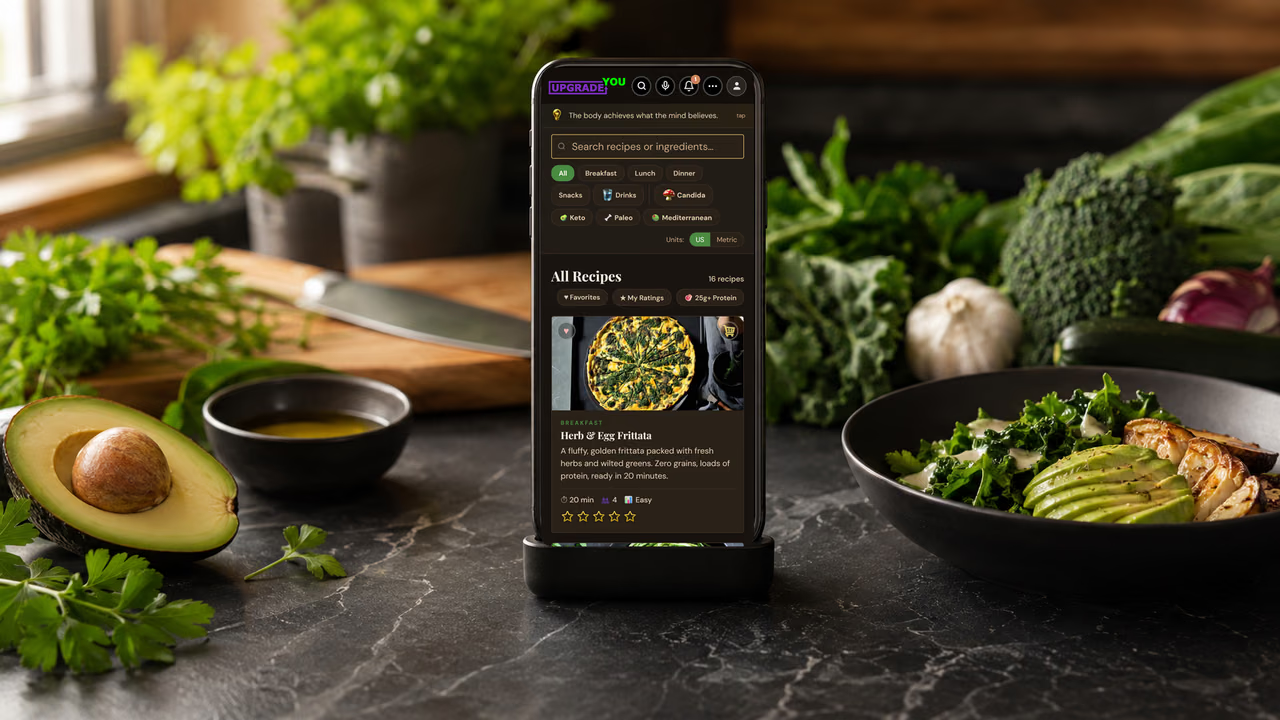
- When you want it handled, let the kitchen do the sorting. Anti-Candida Kitchen app tags every recipe by phase, so the yes list, the maybe pile, and the grocery list build themselves as you go. You can unlock the full Candida Protocol, and if you just want fast wins first, its quick meals are fifteen-minute plates that keep you out of the pantry-negotiation trap.
The honest boundary
This is gut support and education, not treatment, and not a cure for anything. Candida overgrowth is real, but your symptoms could also belong to something else, so if they persist, worsen, or come with anything that scares you, see a good functional medicine doctor, especially if you are pregnant, immunocompromised, or managing a chronic condition. A restrictive diet is never the place to push past real medical care.
Your body is not broken. It is blocked, and one of the quietest blocks of all is a gut that got handed the wrong fuel for years while you wondered why food stopped feeling simple. You do not fix that by staring at a list of everything you have lost. You fix it by building a plate you can love, three anchors at a time, and letting a stronger gut do the rest.
Fill the plate. The garden grows from there.